Preventive Care
Preventive Care
The benefits of professional dental cleanings
The benefits of professional dental cleanings
For many people, a dental cleaning feels like a routine obligation—something to check off the list twice a year. But professional dental cleanings are far more than just a polish and a quick scrape. They are one of the most powerful preventive tools available for protecting your oral and overall health. While daily brushing and flossing are essential, even the most diligent home care cannot remove hardened plaque—known as calculus or tartar—that accumulates in hard-to-reach areas. Professional cleanings go beyond what your toothbrush can achieve, addressing buildup that, if left untreated, can lead to gum disease, tooth decay, and even systemic health conditions. Understanding the full scope of benefits will transform how you view this essential appointment.
For many people, a dental cleaning feels like a routine obligation—something to check off the list twice a year. But professional dental cleanings are far more than just a polish and a quick scrape. They are one of the most powerful preventive tools available for protecting your oral and overall health. While daily brushing and flossing are essential, even the most diligent home care cannot remove hardened plaque—known as calculus or tartar—that accumulates in hard-to-reach areas. Professional cleanings go beyond what your toothbrush can achieve, addressing buildup that, if left untreated, can lead to gum disease, tooth decay, and even systemic health conditions. Understanding the full scope of benefits will transform how you view this essential appointment.
Understanding what happens during a professional cleaning
A professional dental cleaning, or prophylaxis, is a comprehensive procedure performed by a dental hygienist or dentist. It begins with a physical examination of your entire mouth, checking for signs of inflammation, decay, or other concerns. Next, the hygienist uses specialized instruments to remove calculus and plaque from above and below the gumline. This is followed by a thorough polishing with a gritty toothpaste to remove surface stains and smooth the tooth enamel, making it more difficult for new plaque to adhere. Finally, a professional flossing and fluoride treatment may be applied to strengthen your teeth and provide an extra layer of protection.
Professional cleanings don't just clean your teeth—they safeguard your entire well-being.
Prevention of gum disease
Gum disease, or periodontal disease, is one of the leading causes of tooth loss in adults. It begins as gingivitis—an inflammation of the gums caused by bacterial plaque—and can progress to periodontitis, where the supporting bone structure is destroyed. Professional cleanings remove the bacterial deposits that trigger this inflammatory response, stopping gum disease in its earliest stages. Regular cleanings also allow your dentist to detect early warning signs, such as bleeding gums or pocket formation, before they develop into more serious conditions requiring surgical intervention.
Best For
Gingivitis prevention
Periodontitis avoidance
Early detection of gum issues
Reduced inflammation
Long-term gum health
Understanding what happens during a professional cleaning
A professional dental cleaning, or prophylaxis, is a comprehensive procedure performed by a dental hygienist or dentist. It begins with a physical examination of your entire mouth, checking for signs of inflammation, decay, or other concerns. Next, the hygienist uses specialized instruments to remove calculus and plaque from above and below the gumline. This is followed by a thorough polishing with a gritty toothpaste to remove surface stains and smooth the tooth enamel, making it more difficult for new plaque to adhere. Finally, a professional flossing and fluoride treatment may be applied to strengthen your teeth and provide an extra layer of protection.
Professional cleanings don't just clean your teeth—they safeguard your entire well-being.
Prevention of gum disease
Gum disease, or periodontal disease, is one of the leading causes of tooth loss in adults. It begins as gingivitis—an inflammation of the gums caused by bacterial plaque—and can progress to periodontitis, where the supporting bone structure is destroyed. Professional cleanings remove the bacterial deposits that trigger this inflammatory response, stopping gum disease in its earliest stages. Regular cleanings also allow your dentist to detect early warning signs, such as bleeding gums or pocket formation, before they develop into more serious conditions requiring surgical intervention.
Best For
Gingivitis prevention
Periodontitis avoidance
Early detection of gum issues
Reduced inflammation
Long-term gum health

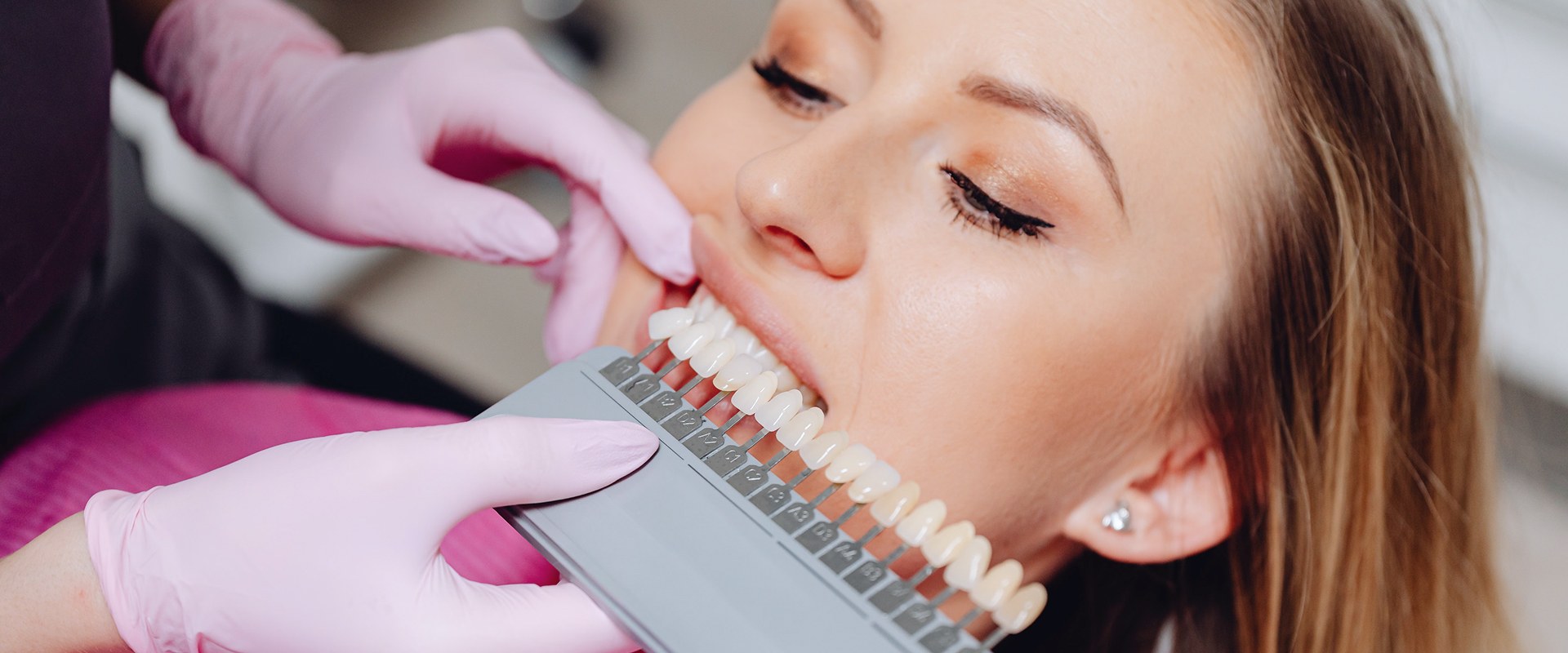
Achieve a stunning, natural-looking smile that endures — with professional cosmetic dentistry.
Achieve a stunning, natural-looking smile that endures — with professional cosmetic dentistry.
Cavity prevention and early detection
Professional cleanings significantly reduce your risk of cavities by removing plaque—the sticky biofilm that produces decay-causing acids. Even with excellent brushing, plaque can accumulate in grooves, between teeth, and along the gumline where your brush cannot reach. The cleaning process disrupts these bacterial colonies before they can erode your enamel. Additionally, the examination component of your cleaning allows your dentist to identify developing cavities at their earliest, most treatable stages.
Best For
Plaque elimination
Enamel protection
Early cavity detection
Minimally invasive treatment
Long-term cost savings
Overall health connections
The benefits of professional cleanings extend far beyond your mouth. Research has established strong links between oral health and systemic conditions including heart disease, diabetes, respiratory infections, and even pregnancy complications. The bacteria and inflammation associated with gum disease can enter your bloodstream, contributing to arterial inflammation and increasing cardiovascular risk.
Best For
Heart health support
Diabetes management
Respiratory protection
Pregnancy health
Systemic inflammation reduction
Maintaining your results between appointments
While professional cleanings provide a deep, comprehensive reset for your oral health, the benefits are best preserved through consistent home care between visits. Brushing twice daily with fluoride toothpaste for two full minutes, flossing at least once per day, and using an antibacterial mouthwash will help keep plaque accumulation to a minimum. Limiting sugary and acidic foods and beverages also reduces the bacterial load in your mouth. Consider investing in an electric toothbrush or water flosser if you struggle with manual techniques—these tools can enhance your daily routine significantly. Remember that your dentist may recommend more frequent cleanings if you have a history of gum disease, heavy calculus buildup, or other risk factors.
Cavity prevention and early detection
Professional cleanings significantly reduce your risk of cavities by removing plaque—the sticky biofilm that produces decay-causing acids. Even with excellent brushing, plaque can accumulate in grooves, between teeth, and along the gumline where your brush cannot reach. The cleaning process disrupts these bacterial colonies before they can erode your enamel. Additionally, the examination component of your cleaning allows your dentist to identify developing cavities at their earliest, most treatable stages.
Best For
Plaque elimination
Enamel protection
Early cavity detection
Minimally invasive treatment
Long-term cost savings
Overall health connections
The benefits of professional cleanings extend far beyond your mouth. Research has established strong links between oral health and systemic conditions including heart disease, diabetes, respiratory infections, and even pregnancy complications. The bacteria and inflammation associated with gum disease can enter your bloodstream, contributing to arterial inflammation and increasing cardiovascular risk.
Best For
Heart health support
Diabetes management
Respiratory protection
Pregnancy health
Systemic inflammation reduction
Maintaining your results between appointments
While professional cleanings provide a deep, comprehensive reset for your oral health, the benefits are best preserved through consistent home care between visits. Brushing twice daily with fluoride toothpaste for two full minutes, flossing at least once per day, and using an antibacterial mouthwash will help keep plaque accumulation to a minimum. Limiting sugary and acidic foods and beverages also reduces the bacterial load in your mouth. Consider investing in an electric toothbrush or water flosser if you struggle with manual techniques—these tools can enhance your daily routine significantly. Remember that your dentist may recommend more frequent cleanings if you have a history of gum disease, heavy calculus buildup, or other risk factors.