Emergency Dentistry
Emergency Dentistry
What to do when a dental emergency strikes
What to do when a dental emergency strikes
Dental emergencies are unpredictable, often painful, and almost always stressful. Whether it's a sudden toothache in the middle of the night, a knocked-out tooth during a weekend game, or a cracked crown right before an important event, knowing how to respond can make the difference between saving and losing a tooth. Panic is a natural first reaction, but having a clear plan in place allows you to act quickly and effectively.
Dental emergencies are unpredictable, often painful, and almost always stressful. Whether it's a sudden toothache in the middle of the night, a knocked-out tooth during a weekend game, or a cracked crown right before an important event, knowing how to respond can make the difference between saving and losing a tooth. Panic is a natural first reaction, but having a clear plan in place allows you to act quickly and effectively.
Understanding dental emergencies and when to seek care
Not every dental issue requires immediate attention. A minor chip or a small piece of food stuck between teeth can often wait for a regular appointment. However, certain situations demand urgent care—knocked-out teeth, severe bleeding, uncontrolled pain, swelling, or signs of infection. If you are unsure whether your situation qualifies as an emergency, it is always better to contact your dentist for guidance. Many dental practices offer after-hours emergency services or can direct you to the nearest emergency dental clinic. When in doubt, seeking professional advice promptly is the safest approach. The key is to remain calm, assess the situation, and take appropriate first-aid measures while arranging for professional care.
In a dental emergency, what you do in the first minutes can save your smile.
Knocked-out tooth
A knocked-out tooth is one of the most time-sensitive dental emergencies. If you act quickly, there is a good chance the tooth can be successfully reimplanted. Pick up the tooth by the crown—the white part—never by the root. If it is dirty, rinse it gently with milk, saline solution, or water, but do not scrub or remove any tissue fragments. Ideally, place the tooth back into its socket immediately and hold it in place with gentle pressure.
Best For
Handle by the crown only
Rinse gently without scrubbing
Reinsert into socket if possible
Keep moist in milk or saline
Seek dental care within one hour

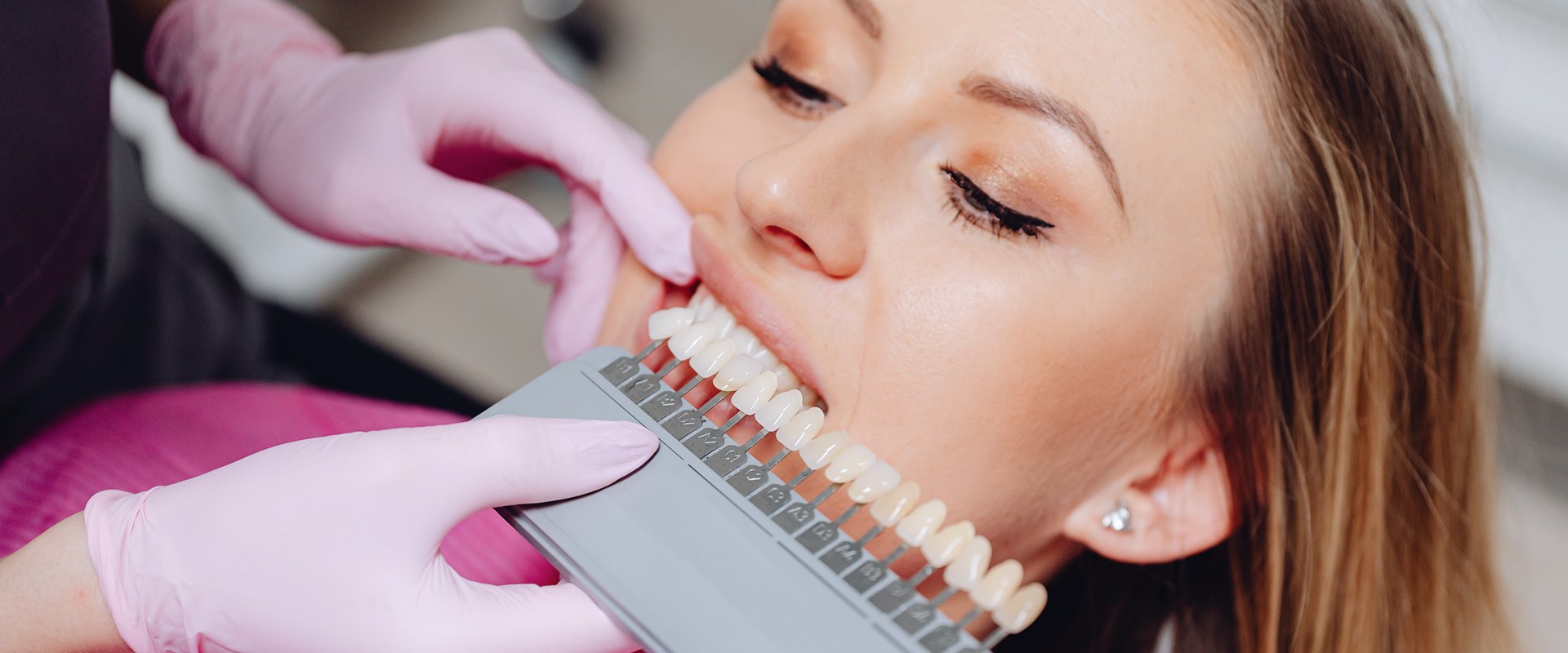
Ready for a natural smile that lasts? Professional cosmetic dentistry can make it happen.
Ready for a natural smile that lasts? Professional cosmetic dentistry can make it happen.
Severe toothache
Toothaches can range from mild sensitivity to excruciating pain that disrupts sleep and daily function. Begin by gently flossing around the affected tooth to remove any trapped debris that may be causing pressure. Rinse your mouth with warm salt water to cleanse the area and reduce inflammation. Over-the-counter pain relievers can help manage discomfort, but never place aspirin directly on the gum tissue—this can cause chemical burns.
Best For
Gently floss around the tooth
Rinse with warm salt water
Take OTC pain relief as directed
Apply cold compress externally
Contact your dentist promptly
Chipped, cracked, or broken tooth
A fractured tooth can vary from a minor cosmetic chip to a severe break that exposes the nerve. Rinse your mouth with warm water to clean the area. If there is bleeding, apply gentle pressure with sterile gauze. Use a cold compress on your cheek to minimize swelling. For sharp edges that may irritate your tongue or cheeks, cover them temporarily with dental wax or sugar-free chewing gum. Save any broken pieces and bring them to your dentist.
Best For
Rinse with warm water
Apply gauze for bleeding
Use cold compress for swelling
Cover sharp edges temporarily
Save broken fragments if possible
Being prepared for the unexpected
Preparation is your best defence against the stress and confusion of a dental emergency. Keep a dental first-aid kit at home containing sterile gauze, a small container with a lid, salt, over-the-counter pain relievers, and your dentist's emergency contact number. Save your dentist's after-hours number in your phone and know the location of the nearest emergency dental clinic. If you participate in sports, wear a properly fitted mouthguard to protect your teeth from trauma. Should an emergency occur, staying calm is essential—anxiety can impair your judgment and ability to act decisively. Remember that most dental emergencies are treatable with prompt, appropriate care. The sooner you seek professional attention, the better the outcome is likely to be. Your dentist is your partner in protecting your smile, and they are prepared to help you navigate even the most frightening dental situations with expertise and compassion.